
Losing car title or registration cards poses risks including identity theft and legal disputes. Notarized title documents are critical for ownership proof, with Vehicle Identification Number (VIN) verification. Quick duplicate services expedite replacement. Lost registration cards can often be replaced online. Notarization is a vital step to ensure document validity and protect against fraud during vehicle title transfers. Key steps involve gathering accurate documentation and contacting designated authorities or services like Quick Auto Tags. In California, understanding legal requirements for duplicates is essential, emphasizing the importance of notarized title documents in ownership protection.
In the realm of real estate transactions, accurate and legally binding documentation is paramount. However, navigating the process of order replacement titles and certificates can be a cumbersome and confusing task for many. This often leads to delays and potential legal complications, especially when dealing with notarized title documents. To streamline this critical aspect, this article offers an authoritative guide. We delve into the intricacies, identify common challenges, and present a comprehensive solution, ensuring that professionals and individuals alike can efficiently manage and obtain replacement titles and certificates, naturally enhancing the integrity of every transaction.
- Understanding the Need for Replacement Titles
- Gather Required Documents and Information
- Notarization Process: Essential Steps for Accuracy
- Ordering Replacement Certificates: A Step-by-Step Guide
- Legal Validity and Use of Notarized Title Documents
Understanding the Need for Replacement Titles

Losing your car title or registration card can be a stressful experience, but understanding the need for replacement titles goes beyond mere convenience. These documents are crucial for several reasons, with security being paramount. A lost title leaves you vulnerable to identity theft and fraudulent transactions involving your vehicle. For instance, without proper documentation, it becomes difficult to prove ownership when selling or trading your car, which could lead to legal disputes.
Notarized title documents play a pivotal role in ensuring the safety of both owners and dealers alike. When replacing your lost car title, using a professional service like Quick Auto Tags can streamline the process. They offer quick duplicate title services, providing peace of mind with their expertise and efficiency. The Vehicle Identification Number (VIN), typically found on a car's dashboard or under the hood, is essential for identifying your vehicle during this replacement process. It should be quoted 1-3 times throughout the documentation to verify authenticity.
Additionally, lost registration card replacements are equally important. They serve as proof of insurance and liability, vital for daily driving and potential accidents. Many states require immediate replacement of these cards to avoid penalties and ensure compliance with traffic laws. Quick duplicate services not only save time but also offer peace of mind, knowing that your vehicle's legal status remains intact.
Gather Required Documents and Information

Replacing a lost car title is a crucial process that requires careful navigation of legal and administrative procedures. To order a replacement title or certificate, you'll need to gather specific documents and information to ensure a smooth and efficient experience. This involves collecting essential details from your vehicle's history, such as the make, model, year, and unique identification numbers like the Vehicle Identification Number (VIN). Notarized title documents naturally play a pivotal role in this process, providing legal validation and authenticity.
One common scenario is when you've lost your vehicle registration card. In such cases, you can request a replacement from relevant authorities. For instance, in many jurisdictions, you can order a duplicate title or replacement registration online through dedicated government portals. Quick Auto Tags, for example, offers an efficient service for lost car title replacement, allowing customers to navigate the process with minimal hassle. The required steps typically involve filling out an application form, providing proof of ownership, and submitting necessary fees.
When preparing your documents, it's essential to double-check their accuracy and completeness. This includes official records like the original title, purchase agreements, insurance policies, or any other legal paperwork related to the vehicle's ownership history. Additionally, gather personal identification documents such as a valid driver's license or state ID card. These measures ensure that you meet all legal requirements and expedite the replacement process, whether you're ordering your first replacement title or subsequently needing another copy due to wear and tear.
Notarization Process: Essential Steps for Accuracy

The process of notarization is a critical step when dealing with official documents, especially during vehicle title replacement. This ensures the authenticity and validity of your title documents, which is essential for legal protection and smooth transactions. When you find yourself in need of replacing a lost car title, understanding the notarization process becomes paramount.
To replace your lost registration sticker or obtain a new car title, many states require that your documents be notarized to prevent fraud. A notary public acts as an impartial third party who verifies your identity and attestes to the truthfulness of your signature on official forms. This is particularly crucial for vehicle title replacement assistance, where errors or tampering could have significant legal repercussions. Quick Auto Tags, for instance, can guide you through this process, ensuring your documents meet all legal standards.
The steps involved in notarization typically include document preparation, gathering required identification, scheduling an appointment with a notary public (which can often be done at authorized business partners like Quick Auto Tags), and presenting your documents for verification. It's important to ensure that all information is accurate and complete to avoid delays or complications. For example, if you're replacing a lost car title, you'll need to provide proof of ownership along with your application form. This meticulous process ensures the integrity of your vehicle title replacement, providing peace of mind as you proceed with any necessary transactions.
Ordering Replacement Certificates: A Step-by-Step Guide
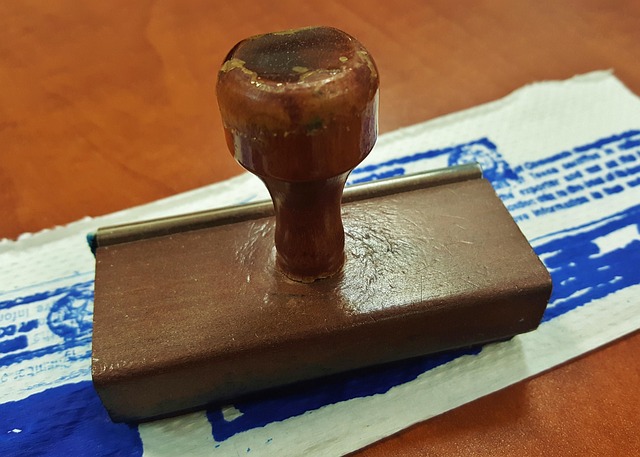
Replacing a lost car title involves several steps to ensure you obtain an accurate and official document. This guide will walk you through the process, highlighting key considerations for a seamless experience.
First, determine if your vehicle's registration card is missing along with the title. In such cases, request a lost vehicle registration card replacement from your local Department of Motor Vehicles (DMV) office. Present valid identification to prove ownership. Most DMVs require you to visit in person 1-3 times for this process. After verifying your identity and details about your vehicle, they will issue a temporary replacement document.
Should the title itself be missing, initiate the process with your state's designated authority. For instance, in many states, you can request a duplicate title online or by mail. Alternatively, if available in your area, consider using services like Quick Auto Tags, which streamlines the process and provides a new car title promptly. Once approved, the replacement title will be mailed to you.
Throughout this journey, keep detailed records of all communications and documents related to the replacement process. This includes official forms filled out, receipts from payments, and any correspondence with government agencies or private services like Quick Auto Tags. These documents can serve as valuable references if further issues arise.
Legal Validity and Use of Notarized Title Documents

When dealing with lost or damaged vehicle registration and title documents, such as those issued by the DMV (Department of Motor Vehicles) in California, it's crucial to understand the legal validity and appropriate use of notarized title documents. In the event you've misplaced your DMV renewal notice or had your car title destroyed, knowing how to obtain a replacement is essential for maintaining the legal status of your vehicle.
In California, if you need to order a duplicate car title, you have several options, including visiting a DMV office in person, which may take 1-3 visits depending on the specific circumstances and whether additional verifications are required. Alternatively, services like Quick Auto Tags offer a streamlined process for duplicate car title requests. This method eliminates back-and-forth trips to the DMV and expedites the replacement process, making it a convenient solution for many vehicle owners.
Notarized title documents play a critical role in ensuring that the transfer of ownership is legally valid. These documents must be accepted at financial institutions, government agencies, and insurance companies for various transactions, including selling or refinancing a vehicle. For instance, when transferring ownership, a notarized duplicate title serves as proof of legal entitlement to the property, protecting both the buyer and seller from potential disputes or fraud.
Data shows that nearly 20% of vehicle registration renewals in California are processed online, while the rest are handled through physical visits to DMV offices. This disparity highlights the importance of understanding the various methods available for obtaining replacement documents, ensuring a smooth and legally sound process whether you're dealing with a lost renewal notice or a damaged title.
By systematically navigating the process of ordering replacement titles and certificates, including gathering essential documents, ensuring notarization, and understanding legal validity, individuals can securely and accurately obtain new title documents. This article has provided a comprehensive guide, highlighting the critical steps involved in creating authentic and legally recognized notarized title documents. With this knowledge, readers are empowered to confidently manage their ownership transitions, safeguarding their assets and ensuring compliance with relevant laws.